The Wellness House Psychosocial Oncology Training for Community Health Workers is a multi-module curriculum designed to strengthen the ability of Community Health Workers across Illinois to support individuals and families affected by cancer. Grounded in more than three decades of evidence-based survivorship programming at Wellness House, this training provides practical, research-informed guidance on nutrition, exercise, stress management, social and emotional care, family dynamics, and the broader psychosocial needs that arise throughout the cancer journey. Each module is presented by Wellness House experts and offers actionable tools, reflection prompts, and insights that Community Health workers can use to enhance the quality of support they bring to their communities.
This training is made possible by the HelpGuideThrive Grant from the Illinois Public Health Association (IPHA) in support of Community Health Worker training. Wellness House is grateful for this partnership and for IPHA’s commitment to advancing Community Health Worker education and cancer health equity across the state.
To view the Training Modules: Select a video from one of the online training modules below and click the “Access the Training” button or the video thumbnail. You will be prompted to create an account or log in with our registration site, Mindbody Online.
*For the best experience when using our website and Mindbody registration, please use Safari or Chrome. Using Firefox or an incognito/private browsing window will prevent you from completing your registration.
Questions? Email receptionist@wellnesshouse.org or call us at 630.323.5150. We’re here to help you get started. Para obtener más información, comuníquese por correo electrónico a información@wellnesshouse.org o llame al 630.654.5529. Programas en español.
Jump to Training Modules:
1. Psychosocial Oncology: An Overview
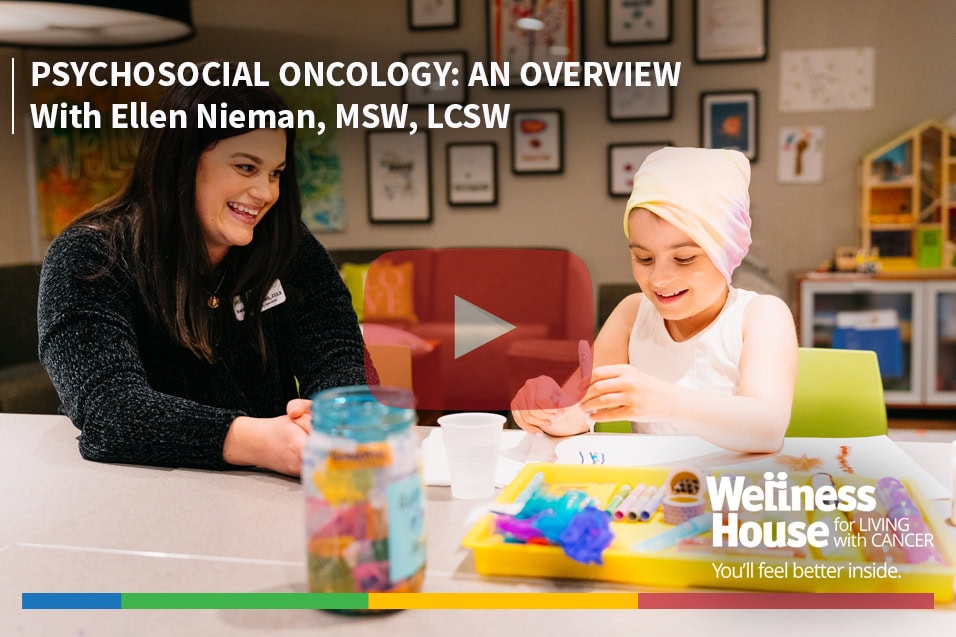
Ellen Nieman, MSW, LCSW, Associate Director of Programs
This presentation provides a basic overview of the field of psychosocial oncology to help practitioners understand the scope of the field and common concerns addressed by psychosocial oncology professionals. It includes an overview of important terms and concepts in cancer care, along with strategies for engaging and supporting people impacted by a cancer diagnosis. Participants learn information to frame their work in the field, and build skills for communication, engagement, and self-reflection.
2. Nutrition and Cancer
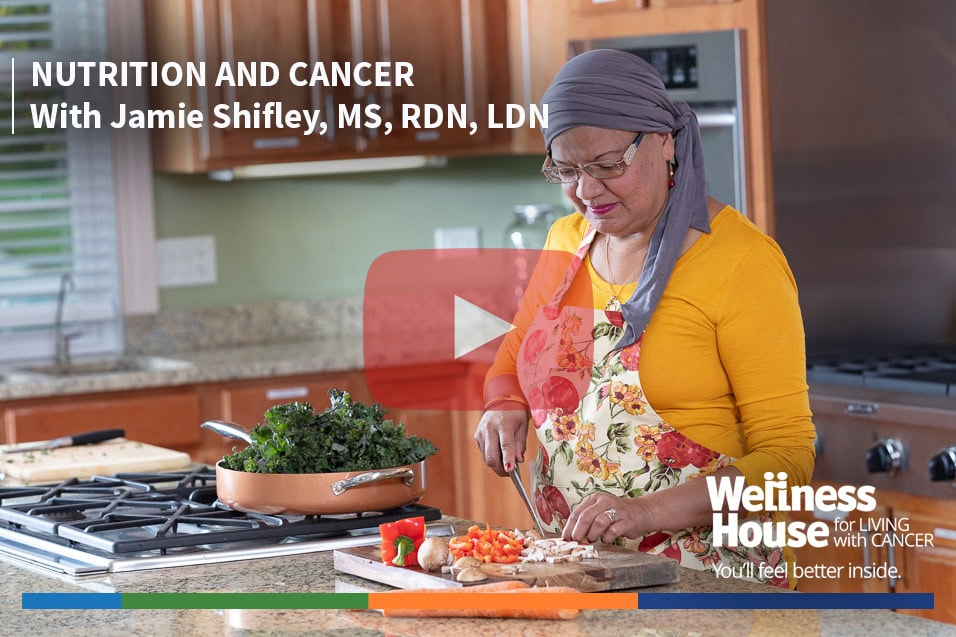
Jamie Shifley, MS, RDN, LDN, Oncology Nutrition Manager
This presentation explores how nutrition supports individuals throughout the cancer journey. It highlights the role of diet in prevention, treatment tolerance, and survivorship, with guidance on managing side effects and adopting plant focused eating patterns. Participants learn practical strategies and evidence based recommendations to help people stay nourished and feel more in control of their health.
3. The Role of Exercise in Cancer Care
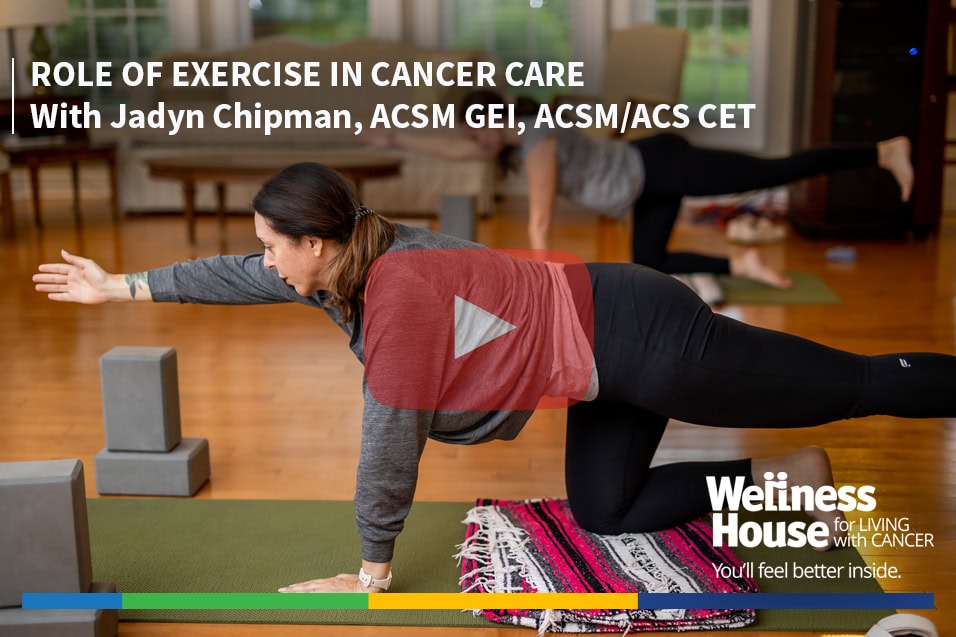
Jadyn Chipman, ACSM GEI, ACSM/ACS CET, Exercise and Stress Management Programs Manager
This module examines the benefits of physical activity across the cancer continuum. It explains how exercise can reduce fatigue, improve strength, support emotional well-being, and enhance treatment outcomes. Participants learn evidence based guidelines, safety considerations, and strategies for helping survivors build sustainable movement habits that improve overall quality of life.
4. How Cancer Impacts the Whole Family
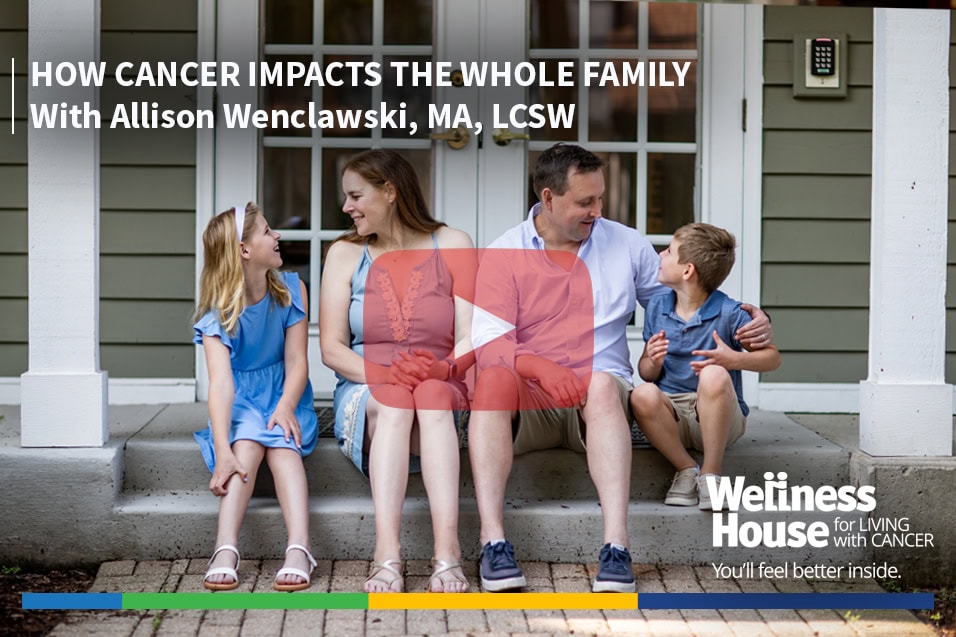
Allison Wenclawski, MA, LCSW, Associate Director of Programs
This presentation focuses on how a cancer diagnosis affects everyone in the family system. It addresses changes in roles, responsibilities, emotions, finances, and daily routines, while offering guidance for supporting caregivers, partners, children, and teens. Participants learn practical tools for communication, coping, and connecting families with meaningful support throughout the cancer experience.
5. Stress Management for Coping with Cancer
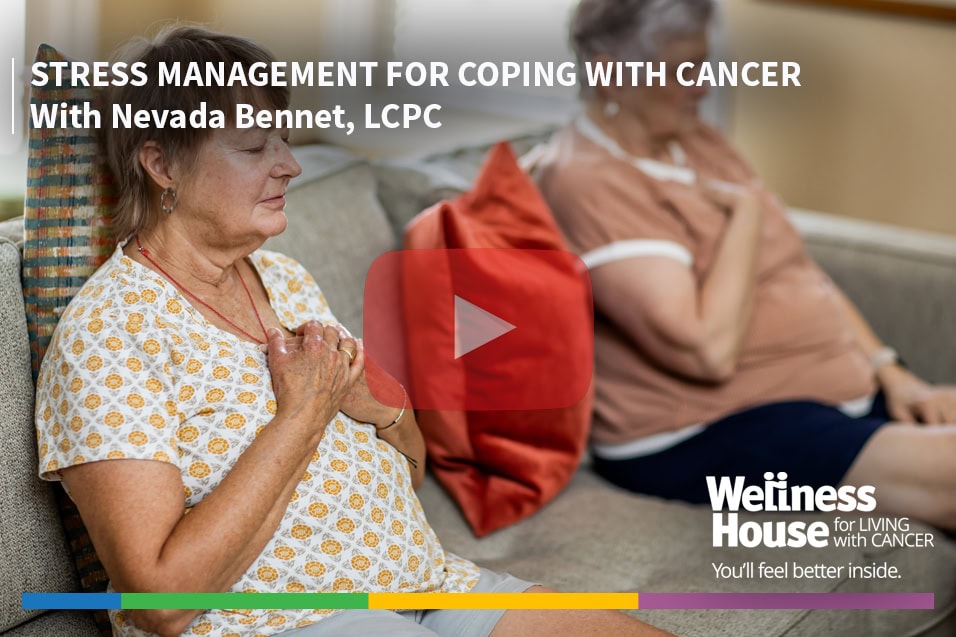
Nevada Bennet, LCPC, Oncology Support and Family Counselor
This training introduces stress management practices that help individuals navigate the emotional and physical challenges of cancer. It covers breathwork, meditation, mindfulness, expressive arts, and journaling, along with the benefits of each approach. Participants gain practical techniques to share with patients and learn how these tools can improve resilience, emotional regulation, and quality of life.
6. Social and Emotional Support for Individuals Dealing with Cancer
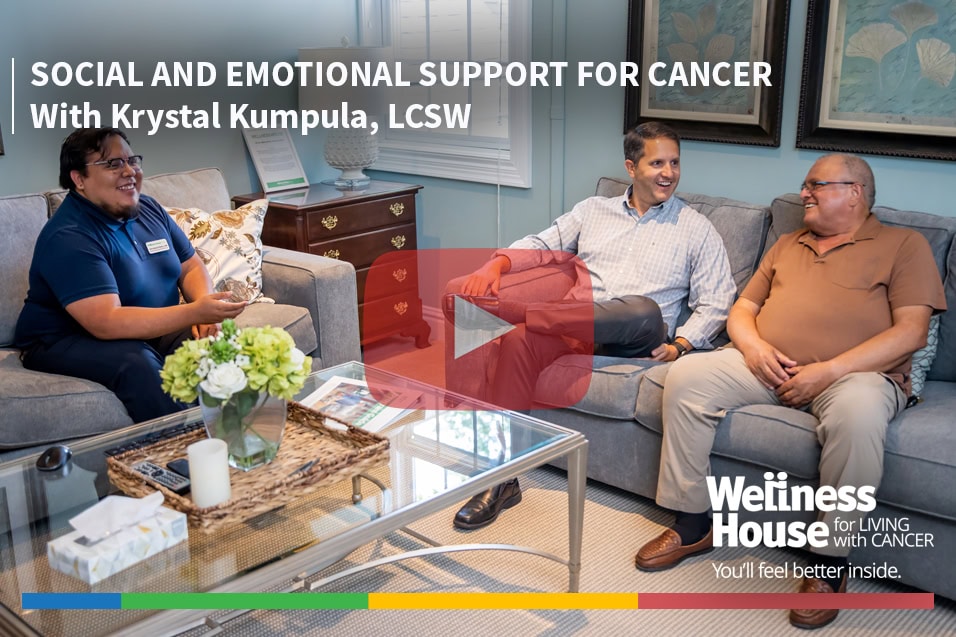
Krystal Kumpula, LCSW, Support Group and Counseling Manager
This training provides an in depth look at the emotional, social, and practical challenges faced by people affected by cancer. It outlines how to recognize distress, communicate with empathy, and support healthy coping. Participants gain tools for identifying risks, responding to emotional cues, and connecting individuals and families with appropriate psychosocial resources.